
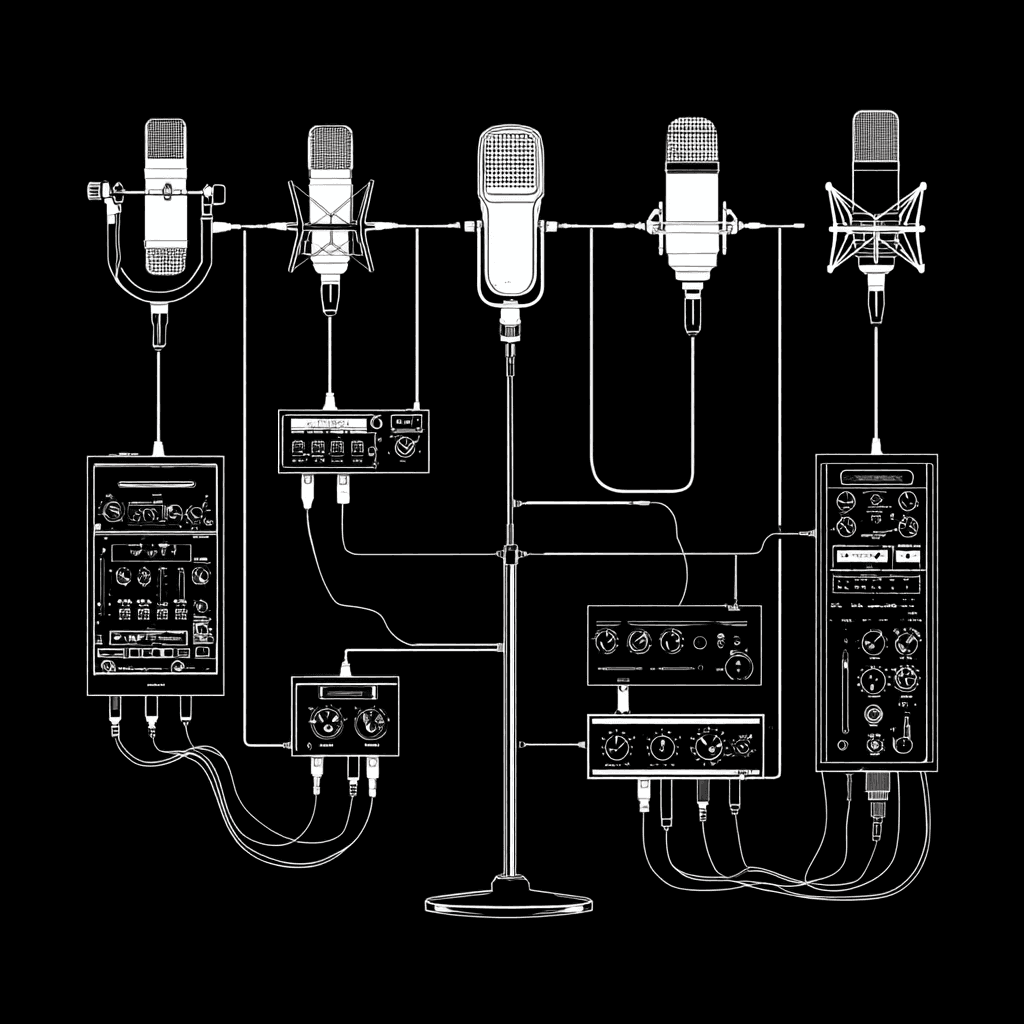
The Vocal Chain Breakdown: How We Build Chart-Ready Vocals at Clear Lake Recording
Walk into any professional studio and ask about their “secret sauce” for vocals, and you’ll get the same answer: there isn’t one. The truth is more nuanced and more interesting. Great vocal recordings come from understanding your tools deeply enough to match the right chain to the right voice, the right song, and the right vibe.
At Clear Lake Studio A, we’ve built one of the most versatile vocal recording arsenals in Los Angeles. But having $300,000 worth of vintage Neumanns and Neve preamps doesn’t matter if you don’t know when to use a $200 Shure SM7 instead.
Over thousands of sessions, we’ve learned which combinations work for which artists and genres. Here’s how we think about building vocal chains—and the specific gear combinations that consistently deliver professional, radio-ready results.
The Philosophy: Three Decisions That Matter
Before we touch a single piece of gear, we ask three questions:
- What does this voice need? (Brightness? Warmth? Body? Air?)
- What does this song need? (Intimate and exposed? Bold and present? Ethereal and spacious?)
- What’s the production context? (Sparse acoustic production? Dense wall-of-sound mix? Hip-hop beat with heavy low end?)
Everything flows from these questions. Let’s break down the specific chains we reach for.
The Intimate Singer-Songwriter Chain
When to use it:
Acoustic ballads, folk, jazz vocals, anything where you want to hear every breath and subtle inflection
The Chain:
- Microphone: Neumann U67 (vintage)
- Preamp: Neve 1073
- Compressor: Universal Audio LA-2A
- EQ: Pultec EQP-1A (if needed)
Why it works:
The U67 is legendary for a reason—it captures midrange detail and proximity warmth without sounding harsh. The vintage Neve 1073 adds body and that classic “record” sound that modern preamps can’t quite replicate. The LA-2A’s slow, smooth compression glues everything together without feeling processed.
This chain makes vocals feel like they’re happening three feet in front of you. When Taylor Swift or Bon Iver want that coffee-shop intimacy on a stadium record, this is the territory.
Pro tip:
We often skip EQ entirely on this chain. The U67 through the Neve is already so musical that adding EQ can actually make it sound less natural. Trust your mic placement first.
The Modern Pop Powerhouse
When to use it:
Contemporary pop, R&B, anything that needs to cut through a dense, bass-heavy production
The Chain:
- Microphone: Sony C800G*** (or Telefunken ELAM 251*** as alternative)
- Preamp: Avalon 737sp (with built-in EQ and compression)
- Compressor: EL Distressor (with British Mod)
Why it works:
The C800G is the secret weapon on countless hit records for good reason—its tube warmth combined with an aggressive top end gives you both presence and character. The Avalon 737sp is an all-in-one channel strip that adds modern polish and lets us shape tone on the way in. The Distressor adds attitude and control, especially with the British Mod engaged for harmonic saturation.
This is the Ariana Grande, The Weeknd, Drake vocal chain. Hyper-present, competitive, and built to dominate a streaming mix.
The budget-conscious alternative:
- Microphone: Neumann U87Ai
- Preamp: BAE 1073
- Compressor: Tube-Tech CL1B
You get 85% of the same vibe for sessions where the C800G rental fee doesn’t make sense.
The Rock & Alternative Edge
When to use it:
Rock, indie, punk, anything with grit, attitude, or intentional imperfection
The Chain:
- Microphone: Shure SM7 (yes, the podcast mic—but through pro gear)
- Preamp: 4x BAE 1073 (or Neve 1073)
- Compressor: Urei 1176 LN (all-button mode for maximum aggression)
Why it works:
The SM7 rejects room noise, handles screaming and dynamics without distorting, and has a focused midrange that cuts through loud guitars. Running it through a Neve-style preamp adds weight and vintage character the mic lacks on its own. The 1176 in all-button mode adds controlled chaos—exactly what rock vocals need.
This is the vocal chain on records by Michael Jackson (Thriller-era), Metallica, and modern indie bands who want presence without polish.
When to add:
- EQ: Pultec MEQ-5 for midrange sculpting
- Saturation: Run the whole chain into the Trident 80b console for additional harmonic richness
The Silky R&B / Neo-Soul Chain
When to use it:
Smooth R&B, neo-soul, jazz fusion, anywhere you need warmth and air without harshness
The Chain:
- Microphone: Neumann U87 (vintage) or BLUE Bottle with M7 capsule
- Preamp: Tube-Tech MP 1A
- Compressor: Tube-Tech CL1B
- EQ: Tube-Tech PE-1B (gentle top-end boost)
Why it works:
All-tube signal path creates a vocal sound that’s effortlessly smooth and dimensional. The Tube-Tech gear is known for transparency with character—it enhances without imposing. This chain breathes and opens up in a way solid-state gear can’t match.
Think D’Angelo, Erykah Badu, SZA on her quieter moments. Vocals that feel like velvet.
The Hip-Hop & Rap Workhorse
When to use it:
Rap vocals, trap, drill, any genre where clarity and articulation trump everything else
The Chain:
- Microphone: Neumann U87Ai (modern) or Sony C800G***
- Preamp: Avalon 737sp or BAE 1073
- Compressor: Urei 1176 LN (fast attack, medium ratio)
- De-esser: ADR Vocal Stressor (in dynamics mode)
Why it works:
Rap vocals need to be intelligible and punchy, even over 808s hitting at -6 dB. The U87Ai delivers clarity without brittleness. The 1176’s fast attack catches consonants and keeps the vocal upfront. The Vocal Stressor handles sibilance without dulling the top end—critical when you’re riding the vocal hot in the mix.
This is the go-to for most modern rap production. The C800G is preferred when budget allows, but the U87Ai gets you 90% there and is included in our standard rate.
Advanced technique:
We often track rap vocals through the Trident 80b console on the way in, letting the transformers add thickness that helps the vocal feel grounded in heavy bass productions.
The Broadcast / Voiceover Chain
When to use it:
Audiobook narration, podcast recording, commercial voiceover, anything needing authority and consistency
The Chain:
- Microphone: Neumann TLM 103 or Shure SM7
- Preamp: Avalon 737sp
- Compressor: Tube-Tech CL1B (gentle, transparent compression)
- EQ: Minimal—usually just a high-pass filter
Why it works:
Broadcast work needs consistency above all else. The TLM 103 delivers a clear, neutral sound that’s easy to match across multiple sessions. The Avalon provides surgical EQ control to remove any room issues. The Tube-Tech compression keeps levels even without pumping.
This chain makes even novice voiceover artists sound polished and professional.
The Experimental / Textural Chain
When to use it:
Ambient, experimental, art-pop, anywhere the vocal is a texture more than a lead element
The Chain:
- Microphone: Coles 4038 Ribbon (or AEA KU5a)
- Preamp: HV-3D/8 (8-channel vintage-style preamp)
- Compressor: Stamchild 670 (Fairchild clone)
- EQ: Manley Massive Passive (for broad, musical strokes)
- Optional: Print through the Studer A827 tape machine for saturation
Why it works:
Ribbon mics have a dark, vintage character that sits behind the mix rather than in front of it. The Fairchild-style compression adds harmonic complexity and that vintage “glue.” Running the whole chain to tape adds warmth, subtle saturation, and randomness that digital can’t replicate.
This is Bon Iver territory. Sigur Rós. Beach House. Voices as instruments, not spotlights.
The “Problem Voice” Rescue Chain
When to use it:
Harsh or sibilant voices, thin voices that need body, overly nasal vocals
The Chain (for harsh/sibilant voices):
- Microphone: Neumann U47 FET (darker than most large diaphragm condensers)
- Preamp: Neve 1073 (adds low-mid warmth)
- Compressor: LA-2A (smooth, no added brightness)
- EQ: Pultec EQP-1A (boost lows, slight cut around 3-5kHz)
The Chain (for thin voices):
- Microphone: BLUE Bottle with C6 capsule (adds body)
- Preamp: Neve 1073 or BAE 1073 (transformer warmth)
- Compressor: Distressor (adds harmonic saturation)
- EQ: Tube-Tech PE-1B (boost low mids around 200-400 Hz)
Why it works:
Sometimes you need to fight the natural character of a voice to get it to sit right in a mix. The U47 FET is famously smooth in the top end—it’ll tame harshness better than any EQ. For thin voices, the BLUE Bottle’s tube circuit plus Neve iron adds thickness you can’t get with plugins.
Stereo Vocal Chains for Backing Vocals & Harmonies
When to use it:
Background vocals, choir recordings, wide harmony stacks
The Chain:
- Microphones: 2x Neumann U87Ai (matched stereo pair) or Neumann SM2 Stereo Tube
- Preamps: 4x BAE 1073 (two channels, matched settings)
- Compressor: Allen Smart C2 SSL Buss Compressor (for glue)
Why it works:
Matched microphones and preamps ensure consistent tonality across the stereo image. The SSL buss compressor adds cohesion without collapsing the width. This chain makes harmonies feel like one organism rather than separate performances.
The “Trust the Room” Philosophy
Here’s something most gear lists won’t tell you: our live room matters as much as the microphone.
Studio A’s George Augspurger-designed acoustics mean we can capture room sound without muddiness. Sometimes the best vocal chain is:
Neumann U67 → Neve 1073 → Nothing else
…placed 8 feet back in the live room, capturing the natural reverb and space around the vocalist.
We’ve cut vocals for indie records this way that sound huge without any reverb plugins. The room becomes part of the instrument.
What We’ve Learned After Thousands of Sessions
1. Expensive doesn’t always mean better
The Shure SM7 costs $400. The Sony C800G costs $11,000 (and we charge extra to use it). But for certain voices and genres, the SM7 sounds better. We’ve cut radio hits on both.
2. The preamp matters more than most engineers admit
We can hear the difference between the vintage Neve 1073s and the modern BAE reproductions. Both are excellent, but the vintage units have a midrange magic that’s hard to describe and impossible to fake. That said, 95% of listeners won’t hear the difference in a final mix.
3. Less processing often sounds more expensive
Our best vocal sounds usually come from minimal chains: great mic, great preamp, gentle compression, done. Over-processing is the signature of inexperience.
4. The room you track in matters more than your plugin collection
A $200 microphone in a well-treated room will beat a $10,000 microphone in a bad room every single time. Studio A’s acoustics are why we can make artists sound like artists, not like bedroom recordings.
5. Trust your instincts, but verify with references
We always A/B our vocal sounds against commercial references in the same genre. If your vocal chain doesn’t hold up against a Billie Eilish record (when you’re going for that vibe), something’s wrong.
The Bottom Line
Chart-ready vocals aren’t about owning the most expensive gear. They’re about understanding which tools serve which voices, which songs, which moments.
At Clear Lake Studio A, we’ve spent years assembling this collection specifically to have options—not to show off, but to ensure that whether you’re a whisper-quiet folk artist or a belt-it-out soul singer, we have the right tool for your voice.
Every piece of equipment listed in this post is included in our standard studio rate. No mic locker fees, no preamp upcharges (except the Sony C800G and Telefunken ELAM 251, which are available by request). When you book Studio A, you get access to the same gear used on countless hit records—and more importantly, you get engineers who know how to use it.
Want to Hear the Difference?
We’re happy to schedule a listening session where you can hear different vocal chains side-by-side. Bring your favorite vocal reference, and we’ll show you how we’d approach capturing that sound.
Book Studio A: Contact Clear Lake Recording
See our full gear list: Studio A Equipment